Top Acting Schools in New York Offering Classes Every Performer Should Take
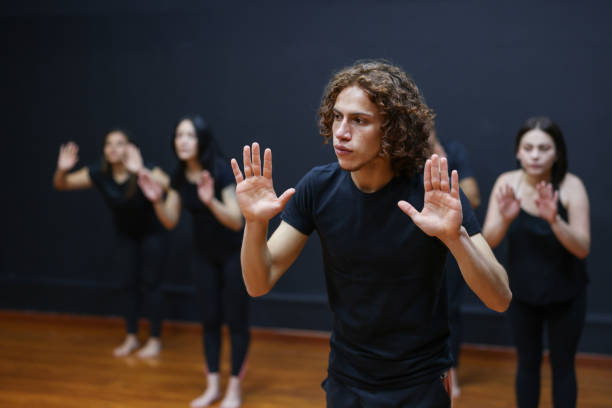
Mastering the art of acting requires continuous learning and practice. While natural talent is valuable, structured training can elevate an actor’s abilities to a professional level. Below are four essential acting classes every performer should consider to hone their craft.
1. Scene Study Classes
Scene study classes are foundational for any actor looking to understand character development, emotional depth, and scene dynamics. These courses are typically conducted in small groups and focus on dissecting scenes from plays or screenplays.
What You’ll Learn:
– Breaking down scripts to understand context and subtext
– Developing authentic character portrayals
– Collaborating with scene partners effectively
Key Benefits:
– Builds confidence in performing live scenes under guidance
– Encourages nuanced understanding of dialogue delivery and pacing
2. Improvisation Classes
Improvisation is more than just thinking on your feet; it’s an essential skill for actors who want to enhance spontaneity and adaptability on stage or set.
Why It’s Important:
– Improves quick decision-making during unexpected scenarios in performances
– Fosters creativity by encouraging actors to trust their instincts
Top Exercises Covered:
– “Yes, And” technique for building dialogue collaboratively
– Group storytelling for enhancing team dynamics
| Skill Improved | Application in Acting |
| Spontaneity | Handling live performances |
| Creativity | Adding depth to character choices |
| Listening | Building authentic interactions |
3. Voice and Speech Classes
Clear, expressive speech is critical for effective acting. These classes focus on improving vocal projection, diction, and emotional resonance through voice work.
Key Areas Often Addressed:
1. Breath control techniques for sustained vocal delivery
2. Enhancing articulation for better clarity
3. Dialect training for mastering accents when required
Whether you’re performing Shakespearean monologues or modern film scripts, strong vocal skills amplify your presence as a performer.
4. Movement Workshops
Acting isn’t just about speaking; it’s also about how you move on stage or in front of the camera. Movement workshops teach actors how to use physicality as a means of storytelling.
Core Elements of Movement Training:
– Understanding body language and its impact on audience perception
– Learning techniques like Laban Movement Analysis or Alexander Technique
– Developing gestures and postures that align with specific characters
| Movement Approach | Purpose | Example Activity |
| Laban Method | Exploring energy flow & effort levels | Improvisational body exercises |
| Alexander Technique | Promoting seamless movement patterns | Posture awareness drills |
Final Thoughts on NYC Acting Classes
Taking these core acting classes can create a solid foundation for any aspiring performer. They build not only technical skills but also confidence, creativity, and professionalism—traits that every actor needs throughout their career journey.
Top Improvisation Techniques Taught at New York Acting Schools
Improvisation is a vital skill for actors, helping them to think on their feet, respond authentically in the moment, and expand their creative range. Whether you’re on stage, in front of a camera, or even auditioning, strong improvisational skills can make your performance more dynamic and engaging. Below are essential improvisation techniques every aspiring actor should learn and practice to hone their craft.
Why Improvisation Matters in Acting
- Respond authentically to unexpected moments.
- Create a more natural connection with other actors.
- Deepen character development by exploring emotions in real-time.
- Build confidence during live performances or high-pressure auditions.
Mastering improvisational techniques doesn’t just improve your acting; it strengthens collaboration and teamwork within an ensemble.
Key Improvisation Techniques for Actors
- One of the foundational principles of improvisation is the “Yes, And” technique. This involves accepting what your scene partner offers (saying “Yes”) and building upon it (“And”).
- Example: If your partner says they’re holding an imaginary suitcase, you might respond by saying it looks too heavy or offer to help carry it.
- Even in unscripted scenarios, characters should have clear goals or motivations. This creates structure within the scene while allowing flexibility in dialogue.
- Ask yourself: “What does my character want right now?”
- Genuine reactions come from being fully present with your scene partner. Pay attention not just to words but also tone and body language.
- Avoid planning responses before your partner finishes speaking; instead, focus entirely on their delivery.
- Use gestures, posture changes, and facial expressions to enhance the storytelling process when words aren’t enough.
- Try silent scenes where you communicate solely through physical movement.
- Experiment with high-status versus low-status characters during exercises to discover new dimensions of power dynamics within scenes.
- Example: A servant who pretends to be royalty vs. a noble who assumes humility can create humorous or dramatic tension.
- Mistakes often lead to moments of brilliance in improv scenes if embraced rather than corrected immediately.
- Train yourself not to judge what happens but adapt fluidly when things go differently than expected.
Suggested Improvisational Exercises
| Exercise | Description | Benefit |
| Word Association | Players say related words quickly without pausing (e.g., “apple → tree → forest”). | Develops spontaneity and mental agility. |
| One Word at a Time Story | Create a story as a group with each person contributing one word at a time. | Encourages collaboration and creativity. |
| Freeze Frame Scenes | Two actors create an improvised scene until someone yells “Freeze!” Then another replaces one actor. | Builds adaptability under changing scenarios. |
Applying Improv Techniques Beyond the Stage
- Auditions: Directors may ask actors to improvise on the spot as part of callbacks or casting decisions.
- Corporate Roles: Many professionals use improv training for public speaking engagements or team-building workshops.
- Character Development: Adding spontaneity can bring depth by discovering new traits about your character organically during rehearsals.
By regularly practicing these techniques and exercises, aspiring actors will not only improve performance ability but also foster creativity that benefits every aspect of their careers as artists.
Essential Improvisation Techniques from an Acting Coach New York Aspiring Actors Should Master
Improvisation is a fundamental skill for any actor. It sharpens your ability to think on your feet, react authentically, and create compelling moments in the absence of a script. Whether you’re performing in the theatre, on screen, or even in auditions, mastering improvisation can elevate your craft and set you apart from others. Below are key techniques every aspiring actor should explore and practice.
The Basics of Improvisation
- Yes, And…: This core rule involves accepting what your scene partner offers (“Yes”) and building on it (“And”). It encourages collaboration and ensures that scenes flow naturally.
- Active Listening: Pay attention to verbal cues, body language, and subtext. Improvisation thrives when performers respond authentically with what they observe.
- Commitment: Fully invest in the scene or character you’re playing without hesitation or overthinking. Confidence is key to making improvisation believable.
- Embrace Failure: Mistakes often lead to unexpected creativity. Allow yourself to take risks without fear of failure—it’s all part of the process.
Key Techniques Every Actor Should Practice
- Explore new characters by creating their backstory spontaneously during an improv exercise.
- Experiment with different personalities, physicalities, or vocal tones while staying consistent within the scene.
- Play with high-status versus low-status behaviors as a way to understand power dynamics between characters.
- Example Exercise: One actor starts as “high status” (e.g., confident leader), while another plays “low status” (e.g., shy subordinate). Explore how shifting these roles affects the relationship.
- Create vivid imaginary settings without props or scenery by miming objects or interacting with unseen elements.
- Practice establishing a sense of place by describing it through action instead of dialogue.
- Change emotions quickly during an improvised scene to adapt to unexpected circumstances.
- Example Exercise: A director gives actors different emotional prompts (joyful, angry, confused) mid-scene to see how they adjust organically.
- In groups, tell a story one word at a time where each participant contributes one word sequentially.
- This exercise improves teamwork and hones your ability to build coherent narratives collaboratively.
Common Mistakes To Avoid
| Mistake | Explanation |
| Blocking | Rejecting another actor’s offer instead of building on it disrupts the flow of a scene |
| Pre-Planned Ideas | Entering a scene with rigid ideas limits spontaneity and makes interactions feel forced |
| Overthinking | Spending too much time analyzing your next move interrupts natural responses |
| “Playing for Laughs” | Forcing humor often feels insincere rather than earning genuine comedic moments naturally |
Benefits of Improvisation for Actors
- Enhances creativity
- Builds confidence during auditions
- Develops better communication skills
- Strengthens adaptability in live performances
Improv isn’t just about being funny or witty—it’s about being present in the moment and responding truthfully within the given circumstances. Aspiring actors who dedicate time to this craft will find themselves better equipped for diverse challenges across all forms of performance art.

Voice-Over Acting: Essential Tips for Building a Versatile Career
Voice-over acting is an exciting and dynamic field that offers an array of opportunities for actors to explore their creativity and expand their craft. From animated characters to commercial advertisements, the range of projects in voice-over work is vast. However, succeeding as a voice-over actor requires more than just having a pleasant voice. Here are essential tips to help you build a versatile and successful career in this specialized area of acting.
Develop Your Vocal Range and Control
- Practice vocal warm-ups daily: This helps prevent strain and keeps your voice flexible.
- Experiment with different tones: Work on creating distinctive voices that can convey varying emotions or character traits.
- Master breath control: Proper breathing techniques ensure clarity, endurance, and consistency during long recording sessions.
Invest in Training
- Diction and articulation – Clear pronunciation is essential for understandable delivery.
- Character development – Learn how to bring depth and nuance to animated or fictional characters.
- Studio techniques – Gain familiarity with microphones, recording software, and soundproofing methods.
Additionally, private coaching from seasoned professionals can provide personalized feedback on your strengths and areas for improvement.
Build a Professional Home Studio
| Equipment | Description |
| Microphone | Invest in a high-quality condenser microphone for clear recordings. |
| Audio Interface | Connects your microphone to your computer while enhancing sound quality. |
| Headphones | Use closed-back headphones to detect subtle audio issues during playback. |
| Recording Software | Choose reliable software like Audacity or Adobe Audition for editing audio files effectively. |
Soundproofing your recording space by using acoustic foam panels or portable sound booths ensures clean audio without background noise.
Create an Impressive Demo Reel
- Include diverse material such as commercials, narration excerpts, character voices, or promotional scripts.
- Keep it short (1–2 minutes) but impactful—highlighting only your best work.
- Regularly update it as you gain more experience.
Network Within the Industry
- Join online forums or social media groups dedicated to voice-over professionals.
- Attend conferences like VO Atlanta or workshops tailored specifically for aspiring voice talent.
- Collaborate with independent creators (e.g., animators or indie game developers) who often seek affordable talent.
Take Care of Your Voice
- Stay hydrated by drinking plenty of water throughout the day.
- Avoid activities that strain the throat (e.g., shouting excessively).
- Rest your voice when needed—overuse can lead to hoarseness or injury.
By focusing on honing technical skills alongside fostering creativity, aspiring performers can carve out successful careers in the ever-expanding world of voice-over acting while maintaining their health and professionalism at every stage.
Discover the Best Acting Classes NYC Offers: A Guide for Aspiring Performers
Theatrical productions are the cornerstone of live performance, offering actors a dynamic platform to showcase their craft. For aspiring performers, gaining a deep understanding of theatrical productions is essential to navigating the complexities of stage acting. This guide explores key aspects of theatrical productions and how actors can prepare for and thrive in this unique space.
The Structure of Theatrical Productions
- Pre-Production: This phase includes script analysis, casting, and design planning. Actors are often required to attend initial read-throughs to understand the director’s vision.
- Rehearsals: During rehearsals, performers work on blocking (movements on stage), character development, and line delivery under the director’s guidance.
- Technical Rehearsals: Tech rehearsals integrate lighting cues, sound effects, set changes, costumes, and props into the performance.
- Dress Rehearsals & Previews: These serve as full runs of the production before it opens to an audience.
- Performances: Actors bring their characters to life in front of live audiences while adapting to real-time feedback and energy.
Key Skills Every Actor Needs for Stage Productions
- On stage, your voice must carry across large spaces without microphones. Practicing vocal projection ensures clarity and audibility.
- Articulation exercises help maintain crisp diction so every word resonates with the audience.
- Stage acting requires heightened physicality due to its visual nature. Actors should refine their body language and ensure movements align with their characters’ motivations.
- Live theatre presents unpredictable challenges such as forgotten lines or technical hiccups. Quick thinking helps maintain immersion for the audience.
- Rehearsal schedules are demanding; committing fully means managing your time efficiently while balancing other responsibilities.
Collaboration in Theatre
| Role | Contribution | Tips for Collaboration |
| Director | Guides overall vision | Be open to feedback; understand their perspective |
| Costume Designer | Designs wardrobe | Learn how costumes influence movement |
| Lighting Designer | Creates mood through lighting | Work within lighting cues during rehearsals |
| Stage Manager | Oversees logistics | Communicate openly about scheduling or needs |
Effective communication with these collaborators will streamline processes and create a cohesive production.
Preparing for Your Role
- Script Analysis: Begin by breaking down your script—identify objectives for your character in each scene.
- Character Development: Dive deep into your character’s backstory and emotional motivations.
- Memorization Techniques: Use repetition or mnemonic devices for memorizing lines effectively.
- Research Contexts: Understand historical or cultural contexts tied to your role or play.
Final Thoughts on Theatre’s Importance
Engaging in theatrical productions builds discipline and versatility as an actor while fostering an appreciation for teamwork within creative endeavors. By mastering these skills and approaches mentioned above, aspiring performers can confidently step onto any stage prepared for success.
How Dance Can Enhance Your Acting Performance and Stage Presence
Actors often focus heavily on voice, script analysis, and characterization, but physical movement is an equally critical aspect of delivering a captivating performance. Dance, in particular, can serve as a powerful tool to enhance an actor’s abilities on stage and screen. It not only improves physical coordination but also deepens an actor’s emotional expressiveness and stage presence.
Benefits of Incorporating Dance into Acting
- Dance teaches actors to understand their bodies more intuitively. This awareness helps them take control of their movements during performances and portray characters with more authenticity.
- Movement in dance fosters the ability to express emotions through the body. Actors who train in dance can better convey feelings such as joy, anger, or sadness without relying solely on dialogue.
- A dancer’s focus on posture and alignment translates to commanding attention on stage or in front of the camera. Actors learn how to project confidence through their physicality.
- Whether playing a historical character or performing in modern storytelling, an actor trained in dance can adapt their movements to fit the tone and style of any production.
- Many productions include choreographed scenes or fight sequences that require actors to follow detailed instructions from movement directors or choreographers. Training in dance makes this process smoother.
Types of Dance That Benefit Actors
| Dance Style | How It Helps Actors |
| Ballet | Improves posture, balance, and precision; ideal for classical roles |
| Jazz | Enhances rhythm, energy levels, and versatility |
| Contemporary | Encourages fluidity of movement and emotional expression |
| Tap | Develops timing skills crucial for comedic scenes |
| Ballroom/Social Dances | Teaches partner work essential for romantic or period dramas |
Practical Ways to Integrate Dance into Your Acting Training
- Enroll in Classes
Join beginner or intermediate-level dance classes that align with your acting goals (e.g., contemporary for emotional roles or ballroom for period pieces). - Practice Movement-Based Improvisation
Combine what you’ve learned from acting classes with exploratory movement exercises inspired by dance techniques. - Work with a Movement Coach
A professional coach can help merge your acting choices with dynamic physicality grounded in dance principles. - Join Community Performances
Participating in local musicals or theater productions that integrate choreography allows you to practice blending acting with dance skills on stage. - Study Iconic Performers Who Excelled at Both Disciplines
Look at actors like Gene Kelly (known for his combination of acting talent and remarkable dancing) as sources of inspiration.
Final Thoughts
Dance is more than just a supplementary skill—it’s a way for actors to refine their craft by tapping into the body’s ability to communicate beyond words. By strengthening coordination, building confidence on stage, and embodying emotion through movement, performers who integrate dance training into their routines elevate both their technical abilities and storytelling potential significantly.
- Your Ultimate Guide to Acting Classes NYC: What to Bring and How to Prepare for Success
- Top Acting Schools in New York Offering Classes Every Performer Should Take
- How to Prepare for Your First Acting Class at New York Acting Schools and Make the Most of It
- How to Overcome the Fear of Starting Acting Classes NYC
- Top Reasons to Enroll in Acting Classes NYC for Private Coaching
- What You Will Learn in NYC Acting Classes to Enhance Your Skills and Confidence
How to Prepare for Your First Acting Class at New York Acting Schools and Make the Most of It

Starting your acting journey with your first class can feel both exciting and intimidating. Taking the time to prepare appropriately will not only help you feel more confident but also enable you to absorb as much knowledge and experience as possible. Below are actionable steps to ensure you make the most out of your initial acting class.
Understand the Basics of Acting
- Acting Terminology: Learn terms like “blocking,” “objective,” “subtext,” and “beats.”
- Acting Techniques: Research methods such as Stanislavski, Meisner, or Method Acting for context, even if the class doesn’t focus on them.
- Script Reading Basics: Practice reading scripts and identifying character motivations.
Dress Comfortably and Professionally
Your attire can directly impact how comfortable you feel during class. Acting often involves movement exercises or improvisation activities, so you’ll want clothing that allows flexibility while maintaining professionalism. Avoid overly restrictive outfits or accessories that could distract you or others.
Suggested Attire:
| Type of Clothing | Examples | Notes | |————————–|———————————-|————————————| | Comfortable bottoms | Yoga pants, joggers | Allows free movement | | Suitable tops | Fitted T-shirts, plain tank tops| Avoid busy patterns or graphics | | Footwear | Sneakers, dance shoes | Avoid heels unless otherwise noted|
Bring the Right Tools
- Notebook & Pen: To jot down notes from lectures or feedback from instructors.
- Printed Script (if provided): If materials are sent beforehand, bring a copy for review.
- Water Bottle: Stay hydrated throughout physical exercises.
- Positive Attitude & Openness: Mental readiness is just as important as physical preparation.
Be Open to Constructive Criticism
- Listen carefully without interrupting.
- Take notes on areas where improvement is suggested.
- Apply feedback in real-time when asked to redo an exercise.
Remember that everyone in the room is there to learn—being receptive will help build trust within your group while strengthening your skills.
Participate Actively During Class
- Volunteer for exercises even if they seem daunting at first.
- Ask questions when instructions or concepts are unclear.
- Engage with group activities and support fellow classmates by being an active scene partner.
Active participation helps build confidence while demonstrating commitment to personal growth and teamwork.
Practice Self-Care After Class
- Review notes taken during class.
- Practice any homework given by your instructor.
- Engage in relaxing activities (e.g., meditation) if certain exercises felt emotionally intense.
Taking care of yourself ensures you’re ready for consistent progress throughout future classes.
By preparing thoroughly and embracing every learning opportunity in your first acting session, you’ll set a solid foundation for developing skills while fostering confidence as an aspiring actor.
Discover How Acting Classes NYC Helped Shape Sophie Turner’s Unique Approach in Tomb Raider
Sophie Turner, best known for her role as Sansa Stark in Game of Thrones, has consistently demonstrated her ability to adapt and evolve as an actor. Her reported involvement in Tomb Raider offers a fascinating opportunity to analyze how her distinct approach could shape such a physically demanding and emotionally layered role. Let’s dive into what makes Sophie Turner’s acting style unique and how her methods can inspire both aspiring and experienced actors.
Finding the Best Acting Coach New York Offers for Emotional Depth
One of the hallmarks of Sophie Turner’s performances is her ability to infuse emotional depth into her characters. She approaches each role with a focus on understanding the internal world of her character. For Tomb Raider, this likely involves exploring Lara Croft’s resilience, vulnerability, and determination.
Turner often uses techniques like:
– Emotional memory: Drawing upon personal experiences to connect with the character’s feelings.
– Character journaling: Writing from the perspective of the character to delve deeper into their emotions and backstory.
– Subtext analysis: Paying attention not just to what is said but also to what is left unsaid in dialogue and action.
For actors looking to adopt similar practices, incorporating these techniques can help create more authentic performances that resonate with audiences.
Physical Preparation for Action-Packed Roles
Given Lara Croft’s iconic physicality, Turner’s preparation would not stop at emotional work alone. Physical training is key for embodying a role as demanding as this one. From stunts that require precision timing to action sequences that demand high energy, mastering the physical side of acting requires dedication.
Key elements actors can take from this preparation include:
– Strength training: Building core strength for endurance during physically intense scenes. – Combat training: Learning fight choreography or martial arts for realistic action sequences. – Stunt rehearsals: Practicing specific movements repeatedly until they feel natural.
By blending physical fitness with skilled choreography, actors can elevate their performances in action-heavy genres.
| Training Aspect | Potential Benefits | Example Activity |
| Strength Training | Enhances endurance for long shoots | Weightlifting or bodyweight exercises |
| Combat Training | Adds realism & fluidity to fight scenes | Boxing or Krav Maga classes |
| Stunt Rehearsals | Improves safety & precision | Partnered stunt coordination |
Balancing Vulnerability with Strength
A defining trait of Lara Croft is her balance between inner vulnerability and outer strength. Sophie Turner has shown time and again that she excels at portraying layers of complexity within characters—her performance as Sansa Stark being a prime example. Taking on such duality requires an actor to tap into both extremes without losing sight of authenticity.
Tips actors can learn from this approach include: 1. Identify contrasts within the character (e.g., bravery vs fear). 2. Experiment with body language, using subtle shifts in posture or gestures based on emotional beats. 3. Use vocal modulation, varying tone and pitch depending on moments of power or fragility.
By practicing these techniques, performers can deliver nuanced portrayals similar to Turner’s expected interpretation in Tomb Raider.
Lessons Aspiring Actors Can Take Away
Sophie Turner’s varied portfolio demonstrates that successful acting comes from constant growth, adaptability, and immersion into roles. Whether you’re preparing for an emotionally taxing drama or gearing up for an action-packed adventure like Tomb Raider, consider integrating these elements into your own practice:
- Dive deep into your character’s psychology through research and journaling.
- Dedicate time for physical training tailored specifically to your role requirements.
- Embrace contrasts within your character’s personality for added complexity.
These strategies not only highlight Turner’s unique approach but also serve as valuable tools for anyone aiming to improve their craft across genres.
Lessons from Sam Raimi’s Favorite Horror Movies for Students at Acting Schools in New York
Sam Raimi, the visionary filmmaker behind The Evil Dead series and Spider-Man trilogy, is renowned for his distinct style and profound understanding of storytelling. His love for horror movies has influenced his cinematic approach, making his works a treasure trove of lessons for actors. By exploring Sam Raimi’s favorite horror films, actors can uncover valuable insights into character embodiment, emotional intensity, and dynamic storytelling.
Lessons from Horror Films
- Film Example: The Texas Chain Saw Massacre (1974)
This film demonstrates how physicality can communicate fear, desperation, or psychological tension. Actors can learn to use their body language to enhance emotional depth in a scene. - Practice: Perform scenes without dialogue to focus on expressing emotion through movement.
- Film Example: Night of the Living Dead (1968)
This classic showcases characters transitioning between fear, anger, and hopelessness within moments. Actors can study how to embody rapid emotional changes convincingly. - Practice: Re-create emotionally intense scenes by focusing on subtle facial expressions and vocal modulation.
- Film Example: Evil Dead II (1987)
Directed by Sam Raimi himself, this movie highlights Bruce Campbell’s ability to embrace exaggerated improvisation while maintaining believability in absurd situations. - Practice: Engage in improv exercises that involve high-stakes scenarios to refine quick thinking and adaptability.
- Film Example: Rosemary’s Baby (1968)
Subtext plays a vital role in creating unease in this film—characters rarely express their true feelings outright. Actors can learn to deliver performances layered with unspoken emotional undertones. - Practice: Study scripts to identify subtextual elements and practice delivering lines with dual meanings.
Table: Key Skills Horror Films Can Help Develop
| Skill | How It Enhances Acting | Film Inspiration |
| Emotional Range | Learns quick shifts between terror, sadness, or rage | Night of the Living Dead |
| Physical Expressiveness | Mastery over body language in tense situations | The Texas Chain Saw Massacre |
| Improvisational Creativity | Adapts quickly under unpredictable circumstances | Evil Dead II |
| Delivering Subtext | Conveys layers of meaning beyond surface dialogue | Rosemary’s Baby |
How Actors Can Use These Lessons
To incorporate these lessons into your craft as an actor: – Analyze Performances: Watch performances from Raimi’s favorite films with attention to detail—observe how actors utilize facial expressions or physicality. – Practice Monologues: Choose monologues from horror scripts or similar genres that demand heightened emotions. – Collaborate Creatively: Pair up with other actors for exercises that explore dramatic tension common in suspenseful scenes.
By studying the nuanced acting styles found in Sam Raimi’s favorite horror films, performers gain tools they can apply across all genres—not just horror—enhancing their overall craft while embracing bold storytelling choices.

NYC Acting Classes: Lessons from Leo Woodall and Dustin Hoffman in Tuner
Tension is a crucial element in acting that drives emotional engagement and keeps audiences on the edge of their seats. In analyzing performances from actors like Leo Woodall and Dustin Hoffman, particularly in projects like Tuner, we uncover valuable lessons about creating, sustaining, and resolving tension on-screen. Here are key takeaways for actors looking to master this nuanced aspect of performance.
Understanding Tension in Acting
In acting, tension operates on multiple levels—physical, emotional, and relational. It’s the invisible thread that connects characters to their environment, each other, and even themselves. This concept was brilliantly executed by Leo Woodall and Dustin Hoffman in Tuner, where they balanced subtle internal struggles with external conflicts to create a layered portrayal of tension.
Key facets include:
– Physical Tension: How the body reflects unease or restraint through posture, movement, or stillness.
– Emotional Tension: The underlying emotions bubbling beneath the surface, communicated through micro-expressions or vocal tone.
– Relational Tension: Dynamics between characters that create conflict or unresolved issues.
Techniques from Leo Woodall’s Performance
- Mastering Micro-Movements: Small gestures like twitching hands or shifting weight can reveal inner turmoil without overt dialogue.
- Using Silence Strategically: Instead of rushing into lines, pauses can heighten anticipation and draw focus to unspoken emotions.
- Layered Reactions: React consciously not just to dialogue but also to non-verbal cues from scene partners.
For example, in Tuner, Woodall uses prolonged eye contact coupled with minimal movement during high-stakes moments—an approach that keeps viewers riveted while amplifying dramatic tension.
Lessons from Dustin Hoffman’s Methodology
Dustin Hoffman’s decades-long career is a treasure trove for actors studying how to convey tension authentically. His work in Tuner showcases timeless principles:
- Building Backstory: Hoffman immerses himself so deeply into his character’s history that every action feels motivated by unresolved conflicts.
- Controlled Vulnerability: He often contrasts moments of apparent composure with flashes of raw emotion.
- Dynamic Pacing: Adjusting rhythm within scenes—a sudden outburst followed by an abrupt calm—keeps audiences guessing.
Hoffman’s ability to shift between restrained delivery and bursts of intensity underscores how dynamic pacing can heighten dramatic stakes.
Practical Exercises for Actors
| Exercise Name | Focus Area | Description |
| The Silent Scene | Relational Tension | Pair up with another actor; perform a scene without dialogue while conveying conflict through gestures and expressions only. |
| Pause for Impact | Emotional & Physical | Practice delivering lines while varying pauses before key words for added gravity. |
| Layered Reactions | Subtext & Interaction | Film yourself reacting silently as someone delivers a monologue; analyze your responses. |
Final Thoughts on Tension Building
The work of Leo Woodall and Dustin Hoffman in Tuner highlights how skillful manipulation of tension can elevate an actor’s performance. By employing controlled vulnerability, dynamic pacing, micro-movements, and strategic silence, actors create engaging portrayals that resonate deeply with audiences.
When approaching your next role, take time to explore how subtle shifts in posture or tone can intensify emotional stakes within scenes—and watch as your performances captivate viewers.
Techniques Actors Can Learn from the Haunted House Genre with Snoop Dogg and Eli Roth
The haunted house genre has long been a cornerstone of horror, offering a unique blend of suspense, psychological tension, and emotionally charged storytelling. From iconic filmmakers like Eli Roth to unexpected collaborators such as Snoop Dogg, this genre provides valuable lessons for actors seeking to expand their craft. By examining the techniques used in haunted house narratives, actors can develop skills that enhance their performances across genres.
Building Atmosphere Through Subtlety
Haunted house films thrive on atmosphere. As an actor, you can learn to create subtle undercurrents of unease that keep audiences engaged. These techniques are particularly relevant in portraying characters who inhabit layered emotional states.
- Microexpressions: Mastering small facial movements conveys fear or suspicion without overacting.
- Controlled Breathing: Adjusting breath patterns can heighten tension in scenes without dialogue.
- Body Language: Slumped shoulders or hesitant steps communicate dread more effectively than words.
Embracing Vulnerability
One hallmark of the haunted house genre is its focus on vulnerability—both physical and emotional. Eli Roth often emphasizes this human fragility in his films to connect with audiences on a visceral level.
- Connecting with Fear: Tap into personal experiences or memories that evoke fear to deliver authentic emotional responses.
- Expressing Isolation: Haunted house characters often feel alone against unseen forces. Reflecting this through tone, pauses in speech, or withdrawn body posture helps convey the weight of isolation.
| Scenario | Acting Challenge | Suggested Technique |
| Discovering a hidden threat | Express quiet panic | Use trembling hands or darting eyes |
| Encountering unexplained noises | Convey growing paranoia | Gradually increase vocal pitch during dialogue |
| Facing an unseen entity | Show emotional unraveling | Shift from calm to erratic behavior naturally |
Timing and Pacing
Snoop Dogg’s venture into horror (such as Bones) demonstrates the importance of pacing in performance. His charisma brought balance to tense moments through rhythm and awareness of timing—lessons equally valuable for other actors.
- Pausing with Purpose: Strategic pauses before delivering lines build suspense.
- Rhythmic Reactions: Match emotional intensity shifts to scene beats for seamless transitions.
Collaborating with Your Environment
Actors in haunted house productions must interact dynamically with unsettling settings—creaking stairs, dimly lit hallways, and shadowy corners become integral parts of storytelling.
- Treat props as extensions of your character’s emotions (e.g., gripping a candle tighter as anxiety rises).
- Develop spatial awareness by mapping out movements that align with the scene’s tension arc.
Learning from Snoop Dogg and Eli Roth’s Innovation
- Breaking Expectations: Explore contrasts—like pairing calm delivery with chaotic scenes—to intrigue audiences.
- Using Humor: A well-timed lighthearted line can offset heavy tension while keeping viewers engaged.
- Commitment: Fully embrace the absurdity or surrealism within horror; authenticity matters even when situations feel exaggerated.
By studying performances within the haunted house genre, actors discover how subtlety, timing, vulnerability, and interaction contribute not just to creating scares but also to portraying deeply human stories at their core.
The Essential Role of Casting: Insights from New Evil Dead Movie Stars Zach Gilford and Charlotte Hope
Casting is one of the most critical aspects of film and theater production. It serves as the foundation upon which characters come to life. Drawing insights from Zach Gilford and Charlotte Hope, stars of the new Evil Dead movie, we can better understand the nuanced role casting plays in crafting a compelling story.
Why Casting Matters
- Character Authenticity: The right actor brings depth and authenticity to their role, making characters more believable.
- On-Screen Chemistry: Pairing actors who share strong chemistry enhances dynamics between characters, critical for both ensemble casts and intimate scenes.
- Storytelling Quality: A well-cast production ensures that every performance serves the narrative effectively.
Lessons from Zach Gilford
Zach Gilford has carved a reputation as an actor with a subtle yet emotionally charged delivery. His work in Evil Dead reflects how understanding one’s casting can enhance performance:
- Leaning Into Strengths: Gilford leverages his ability to portray vulnerability in high-stakes scenarios, making his characters relatable even in supernatural horror contexts.
- Trusting Casting Directors: He emphasizes collaboration with casting teams, knowing they select actors based on specific strengths that align with a project’s needs.
“You don’t always see yourself in every role they offer you,” he shared in an interview, “but trusting their vision is key.”
Insights from Charlotte Hope
Charlotte Hope’s approach to her role highlights how an actor’s preparation intersects with casting choices. She focuses on creating layers within her character by exploring motivations and backstory that aren’t always obvious on paper.
- Embracing Transformation: Hope values roles that push her outside her comfort zone, trusting that these challenges ultimately result in authentic performances.
- Researching Your Archetype: Whether playing historical figures (The Spanish Princess) or stepping into horror as she did for Evil Dead, she invests time into understanding the archetypes she portrays while personalizing them.
The Collaborative Nature of Casting
| Role | Key Responsibility | Example |
| Director | Communicates creative vision | Provides clarity on tone needed for specific roles |
| Casting Director | Identifies suitable talent | Screens actors based on experience & audition |
| Actor | Prepares deeply for auditions & workshops | Demonstrates adaptability during callback auditions |
Final Thoughts
The lessons learned from Zach Gilford and Charlotte Hope underscore how important it is for everyone involved in the creative process—actors included—to trust the art of casting fully. Effective casting ensures not only strong individual performances but also cohesion across an entire ensemble cast—something every successful production strives toward. Whether you’re an emerging actor or a seasoned professional, working harmoniously within this process will elevate your craft and contribute significantly to any project’s success.

How to Combat On-Set Challenges: Lessons from The Russo Bros. on Avengers Productions
Acting on set can be a demanding endeavor, with challenges ranging from long hours to unexpected shifts in production schedules. Learning how to navigate these hurdles is essential for any actor, particularly when working on major productions like The Avengers. The Russo Brothers, known for their meticulous work on the Marvel Cinematic Universe, have shared valuable lessons about overcoming on-set challenges. This article explores insights actors can gain from their experiences.
Understanding On-Set Challenges
- Time Management: Tight schedules with minimal breaks between takes.
- Physical Demands: Grueling stunts and challenging physical performances.
- Creative Differences: Navigating conflicting ideas with directors or other cast members.
- Emotional Pressure: Managing expectations from large-scale productions and audiences.
The Russo Brothers’ experience directing ensemble casts in high-stakes films like Avengers: Infinity War and Avengers: Endgame offers strategies for overcoming these obstacles.
Lessons from the Russo Brothers
- Proper preparation can mitigate many on-set issues. The Russos emphasize detailed planning, ensuring that every actor understands their role in the broader story arc.
- Study scripts thoroughly and know their lines by heart.
- Research characters deeply to understand motivations.
- Familiarize themselves with blocking, camera angles, and technical aspects.
- Unexpected changes are inevitable during filming. According to the Russos, staying flexible is critical when scripts or scenes are altered mid-production.
- Focus on the core emotion of a scene rather than memorizing rigid movements or phrasing.
- Be open to feedback from directors and fellow cast members.
- Collaboration is at the heart of ensemble projects like The Avengers. The Russos believe fostering a sense of unity among cast members leads to better performances overall.
- Participating in table reads or group workshops ahead of filming.
- Supporting co-stars through encouragement and shared problem-solving.
- The pressure of delivering in a high-profile environment can be overwhelming. The Russos recommend creating moments of levity during breaks to alleviate tension.
- Techniques actors might use include:
- Practicing mindfulness exercises or meditation between takes.
- Engaging in light-hearted activities with castmates off-set.
Practical Tools for Success
| Challenge | Suggested Solution |
| Long Hours | Stick to a personal wellness routine (hydration, healthy snacks). |
| Physical Demands | Train adequately before filming; consult stunt coordinators as needed. |
| Creative Differences | Communicate openly while respecting others’ perspectives. |
| Emotional Pressure | Focus on incremental goals rather than overall project outcomes. |
By studying industry leaders like the Russo Brothers, actors at any level can refine their craft while effectively navigating challenges faced during production—whether it’s an intimate indie project or a global blockbuster franchise.
The Power of Emotions in Storytelling: What Actors Can Learn from Dinosaur War Sequel Primitive War 2
Mastering the art of emotional storytelling is a critical skill for any actor, and Primitive War 2 offers a fascinating case study. This sequel to the gripping, high-stakes Dinosaur War combines intense action with deeply emotional character arcs, providing actors with valuable lessons on how to convey authentic emotions in their performances. Below, we delve into how actors can harness these insights to elevate their craft.
Understanding Emotional Stakes
In Primitive War 2, characters face life-or-death situations against prehistoric predators. These extreme circumstances challenge the characters’ emotional resilience, forcing them to confront fear, grief, hope, and determination. As an actor, understanding the stakes of a scene—whether it’s fighting for survival or navigating interpersonal conflict—is essential for delivering an impactful performance.
Key Questions to Consider:
– What does your character have to lose or gain in this moment?
– How would these stakes manifest physically (e.g., trembling hands, darting eyes) or emotionally (e.g., desperation vs. resolve)?
– Are there underlying conflicts driving your character’s responses?
By internalizing these elements, you can bring depth and believability to your portrayal.
Channeling Fear and Vulnerability
In high-tension scenes like those in Primitive War 2, fear is often palpable—but it’s not just about screaming or running away. Effective actors layer fear with vulnerability by showing glimpses of their character’s inner struggles. For instance:
– Fear as instinctive survival: A sudden gasp or flinch when danger appears.
– Fear as quiet dread: A frozen expression paired with shallow breaths when confronted with an overwhelming threat.
– Fear evolving into courage: Subtle shifts in body language that show your character overcoming hesitation despite being terrified.
Using these variations ensures a nuanced performance that resonates with audiences.
Balancing Action with Emotional Depth
While much of Primitive War 2 revolves around thrilling action sequences, the emotional bonds between characters drive the story forward. Actors can learn from this interplay by ensuring that even fast-paced scenes maintain emotional grounding.
Tips for Balancing Action and Emotion:
1. Stay Present in the Scene: Avoid letting choreography overshadow acting choices; each action should align with your character’s mindset. 2. Use Non-Verbal Cues: Eye contact, physical gestures, and microexpressions can convey unspoken emotions during chaotic moments. 3. Collaborate With Your Scene Partners: Building trust off-screen allows for more authentic connections on-screen—even amidst adrenaline-fueled sequences.
Exploring Grief Amidst Chaos
One standout aspect of Primitive War 2 is its portrayal of loss amidst carnage—a recurring theme that gives its characters human complexity. Actors should take note of how subtle shifts in tone allow grief to coexist with tension without detracting from either element.
Techniques to Portray Grief Effectively During Intense Scenes:
– Use pauses intentionally; silence speaks volumes when words fail. – Show suppressed emotion—clenched jaws or teary eyes—rather than overt sobbing. – Let grief simmer under other emotions like anger or guilt before it surfaces.
By weaving such layers into performances, actors can create memorable portrayals even within fast-paced narratives.
Lessons from Primitive Storytelling Archetypes
Finally, at its core, Primitive War 2 draws heavily on archetypal storytelling elements—the survivor’s journey, camaraderie under duress, and human-versus-nature themes. Each offers opportunities for actors to explore timeless aspects of humanity while grounding their performances in universal truths.
| Archetype | Acting Opportunity | Example |
| Survivor | Explore resilience under pressure | Struggling against odds yet refusing defeat |
| Protector | Convey selflessness & responsibility | Shielding others despite personal risk |
| Challenger | Dive into inner conflict & transformation | Wrestling between fear & bravery |
By stepping into these archetypes fully while making them unique through personal interpretation, actors can deliver compelling performances rooted in truth.
Actors who embrace emotion as a storyteller’s most vital tool will find endless inspiration not only from films like Primitive War 2, but also from life itself—the ultimate source material for any great performance.
- Your Ultimate Guide to Acting Classes NYC: What to Bring and How to Prepare for Success
- Top Acting Schools in New York Offering Classes Every Performer Should Take
- How to Prepare for Your First Acting Class at New York Acting Schools and Make the Most of It
- How to Overcome the Fear of Starting Acting Classes NYC
- Top Reasons to Enroll in Acting Classes NYC for Private Coaching
- What You Will Learn in NYC Acting Classes to Enhance Your Skills and Confidence
How to Overcome the Fear of Starting Acting Classes NYC

Why People Fear Starting
It’s natural to feel anxious about beginning something new, especially in a field as subjective and personal as acting. Some common fears include:
– Fear of judgment: Worrying about what others will think of your performance.
– Imposter syndrome: Feeling like you’re not talented enough compared to others in the class.
– Fear of failure: Doubting whether you have what it takes to succeed in acting.
– Uncertainty: Not knowing what to expect or how you’ll be received.
Understanding these fears is the first step toward overcoming them.
Strategies for Overcoming the Fear
- Research Beforehand: Familiarize yourself with the structure of an acting class, so you’re not walking in completely blind. Look up reviews about the instructor or even watch videos if they’re available online.
- Adopt a Beginner’s Mindset: Remember that no one expects perfection from someone just starting out—your peers are likely feeling just as nervous.
- Practice Breathing Techniques: Controlled breathing can help calm nerves before stepping into class or performing.
- Take Small Steps: Instead of diving into complex monologues, start with simple exercises that build your foundational skills.
- Seek Support from Peers: Build relationships with classmates who can provide encouragement and share their own experiences.
- Understand It’s a Learning Process: Acting classes are meant for growth, not instant mastery—embrace mistakes as part of development.
A Checklist for Your First Class
| Task | Completed (Yes/No) |
| Research about the instructor | |
| Wear comfortable clothing | |
| Prepare water/snacks | |
| Bring a notebook & pen | |
| Practice introducing yourself |
By ensuring you’re ready ahead of time, you’ll be able to focus entirely on learning without distractions.
What To Expect In an Acting Class
- Warm-up exercises such as stretching or vocal work
- Basic improvisation games
- Introduction to script analysis
- Partnered or group scenes
- Feedback sessions led by the instructor
These elements aim not only at developing your abilities but also at fostering an environment where everyone feels safe experimenting creatively.
Final Thoughts
The first step into any creative field often requires courage, particularly one that involves putting yourself out there like acting does. By preparing mentally and practically for this experience while addressing underlying fears head-on, you’ll find it easier—and more enjoyable—to immerse yourself in learning the craft of performance artistry.
Not every actor starts confidently; some are paralyzed by nerves during their early attempts but later grow into celebrated professionals through persistence and practice. Trust in this process, take each day at its own pace, and know that every great performer once stood exactly where you are now—at their very first class full of questions yet brimming with possibilities ahead.
Discover the Best Acting Schools in New York for Your Journey to Stardom
Embarking on a journey into the world of acting can be both thrilling and intimidating. Proper preparation is key to navigating this dynamic field successfully. Here are essential steps to set the stage for a fulfilling and prosperous acting career.
Build a Strong Foundation
- Enroll in reputable acting classes or workshops to learn techniques like method acting, Meisner technique, or classical training.
- Work with experienced instructors who can guide you through the fundamentals of character development and performance skills.
- Develop clear diction and vocal projection to deliver lines effectively.
- Practice accents or dialects if your target roles require diversity in speech patterns.
- Take physical movement classes such as stage combat, dance, or yoga to improve your body awareness and adaptability for various roles.
Create Your Toolkit
- Headshots: Invest in high-quality headshots that capture your essence and range as an actor.
- Resume: Highlight relevant experience (theater productions, short films, commercials) and training credentials.
- Demo Reel: Compile a short reel of your best work to demonstrate versatility to casting directors.
- Wardrobe Essentials: Have basic audition-friendly attire ready—neutral clothing that won’t distract from your performance.
| Toolkit Component | Description | Examples/Notes |
| Headshot | Professional photo showing range | Smiling close-up, serious expressions |
| Resume | Acting experience/training | List productions & skills (e.g., accents) |
| Demo Reel | Highlights of performances | 2–3 minutes; focus on showcasing versatility |
Research the Industry
- Know Your Market: Research local opportunities based on where you live (e.g., theater hubs like New York City or film hotspots like Los Angeles).
- Study Casting Calls: Familiarize yourself with casting websites like Backstage or Casting Networks to find auditions that suit your type and skill level.
- Learn from Others: Watch interviews with actors you admire; analyze their approach to auditions, setbacks, and career choices.
Develop Resilience
The path of an actor comes with challenges such as rejection, long hours, and uncertainty about future opportunities. Prepare yourself mentally by:
– Practicing mindfulness techniques to manage stress before auditions or performances. – Seeking feedback constructively rather than taking criticism personally. – Celebrating small wins—like nailing an audition or landing a minor role—as steps toward bigger opportunities.
By taking these steps seriously at the start of your journey, you’ll prepare yourself not only for success but also for longevity in an unpredictable yet rewarding field like acting.
Master Your Craft: NYC Acting Classes for Aspiring Performers
Embarking on a journey in acting can be both exhilarating and daunting. Preparation is key to setting yourself up for success, whether you’re a complete beginner or someone with some experience. Below, we’ll explore actionable steps and strategies to build a strong foundation for your acting career.
Understand Your “Why”
- What attracts me to acting? (Passion, storytelling, fame, creative expression)
- What do I hope to achieve as an actor? (Personal growth, professional success)
Write down your answers and revisit them regularly. They can act as a compass during times of doubt.
Build Foundational Skills
- Voice Control
A strong voice is crucial for delivering lines effectively. Practice breathing exercises and consider working with a vocal coach. - Body Awareness
Acting involves physical expression beyond spoken words. Yoga or movement classes can help improve posture, flexibility, and presence on stage. - Improvisation Skills
Join improv workshops to enhance your spontaneity and ability to stay present in any scene. - Script Analysis
Learn how to break down scripts and understand character motivation by studying plays or screenplays.
Research Acting Methods
| Technique | Key Focus | Notable Practitioners |
| Stanislavski Method | Emotional truth and authenticity | Marlon Brando, Meryl Streep |
| Meisner Technique | Reacting truthfully under imaginary circumstances | Diane Keaton |
| Method Acting | Immersing fully into the character’s world | Daniel Day-Lewis, Joaquin Phoenix |
| Chekhov Technique | Physical gestures as tools for emotional connection | Clint Eastwood |
Experiment with different styles to find the one that resonates with you personally.
Set Realistic Goals
- Take an introductory acting class.
- Audition for local theatre productions or student films.
- Build confidence through public speaking opportunities.
- Secure an agent.
- Perform in a major production (film/theatre/TV).
- Continuously develop your craft through workshops or advanced training.
Break these goals into smaller steps so they feel achievable over time.
Develop Self-Discipline
- Regularly rehearse monologues or scenes.
- Stay physically active; stamina is critical when performing long hours.
- Dedicate time weekly for networking or audition preparation.
By establishing discipline early on, you’ll remain consistent even when motivation wanes.
Stay Open to Feedback
- View feedback as an opportunity rather than personal judgment.
- Identify actionable insights from critiques instead of focusing on negative emotions.
- Surround yourself with mentors who genuinely want you to grow professionally.
This mindset not only improves performance but also builds resilience—an invaluable trait in the competitive world of acting.

Finding Success and Growth at New York Acting Schools
1. Continuously Develop Your Craft
Acting is a skill that requires constant refinement. Here are key ways to improve: – Take Advanced Acting Classes: Whether it’s method acting, improv, or voice training, investing in further education helps enhance your range. – Practice Daily: Dedicate time every day to rehearse monologues, study scripts, or analyze characters. – Seek Feedback: Ask coaches or trusted peers for constructive criticism on your performances. – Explore Different Genres: Challenge yourself with roles in comedy, drama, action, or even experimental theater.
2. Build a Professional Network
Networking plays a significant role in advancing your acting career. – Attend Industry Events: Film festivals, workshops, and meetups provide opportunities to connect with directors and other actors. – Collaborate with Peers: Join local theater productions or independent film projects to work alongside like-minded creatives. – Leverage Social Media: Platforms like Instagram and LinkedIn are excellent tools for showcasing your portfolio and engaging with professionals.
3. Develop a Resilient Mindset
Rejection is common in the acting world. Here’s how you can build mental toughness: – Focus on learning from each setback rather than dwelling on failures. – Maintain a positive attitude by celebrating small wins along the way. – Incorporate mindfulness exercises such as meditation to reduce stress before auditions.
4. Create a Personal Brand
Your unique personality and skills set you apart from other actors vying for the same roles: | Element | Tips | |————————-|———————————————————————-| | Headshots | Invest in professional photos that highlight your range of looks. | | Resume | Keep it updated with roles, training, and special skills | | Showreel | Assemble clips that showcase your strongest performances | | Online Presence | Build a website or portfolio page where casting directors can find you easily.|
5. Explore New Opportunities
Expanding into different areas of performance can help diversify your experience: – Voiceovers for animated characters or advertisements – Commercials or corporate videos – Background acting (extras work) for exposure on professional sets
6. Stay Committed to Lifelong Learning
Even seasoned actors continue evolving through research and education: – Study famous performances by actors you admire. – Read books about acting techniques such as “An Actor Prepares” by Stanislavski or Meisner’s “On Acting.”
By focusing on development both artistically and professionally while maintaining resilience through challenges faced during auditions
Discover the Benefits of Working with an Acting Coach New York
Acting is often seen as a glamorous profession filled with fame, red carpets, and endless opportunities. However, the reality is that acting requires dedication, hard work, resilience, and constant growth. To truly thrive in this field, it’s important to separate fact from fiction and embrace the truths that define the life of an actor.
Common Myths About Acting
- Reality: While some individuals have natural talent, training is essential to hone skills and develop versatility. Acting classes help build techniques such as emotional expression, voice modulation, improvisation, and character development.
- Reality: While luck might open doors occasionally, most successful actors achieve their goals through persistence and effort. Networking actively in the industry and consistently auditioning are also critical factors.
- Reality: While appearance may play a role in certain castings, acting ability far outweighs physical attributes in long-term career success. Directors seek performers who can bring authenticity to their roles.
- Reality: Acting involves long hours on set or stage rehearsals along with emotional labor required for portraying complex characters believably.
Embracing the Realities of Acting
- Rejection is Part of the Process
Rejection during auditions is common for even seasoned actors. Learning how to handle rejection positively is key to staying motivated over time. - Continuous Learning is Vital
The best actors never stop learning – whether it’s through workshops or studying scripts deeply – staying adaptable keeps them skilled amid changing trends/styles roles demand creativity etc..
How Does This Story End? Crafting Your Unique Path in Acting
Acting is a journey as unique as the individual pursuing it. While some actors may dream of Broadway or Hollywood, others might envision success through indie films, local theatre, or even teaching the craft. Crafting your unique path in acting requires a blend of self-awareness, strategic planning, and adaptability. Below are practical suggestions and strategies to help you create a fulfilling career that reflects your personal aspirations.
Define Your Goals in Acting
By identifying your goals early on, you will better align your efforts with the opportunities that matter most to you.
Build a Professional Plan
- Start with Training: Hone your craft through acting classes, workshops, or conservatory programs. Look for instructors who specialize in areas aligned with your goals (e.g., Shakespearean theatre versus on-camera acting).
- Create a Strong Portfolio: Develop an actor’s reel showcasing your range and versatility in various roles. Invest in professional headshots that reflect your personality and casting type.
- Network Strategically: Attend industry events, join local theater groups, and connect with agents or casting directors who align with your vision for growth.
- Diversify Income Streams: Many actors supplement their income by coaching others, working behind-the-scenes roles (like directing), or voice-over work.
- Set Milestones: Break long-term aspirations into actionable short-term goals (e.g., “audition for three projects this month” or “land my first paid role within six months”).
| Example Milestone | Timeline | Action Steps |
| Land an agent | 6 months | Research agencies; submit reel and resume |
| Perform on stage | 12 months | Audition weekly; attend open calls |
| Earn first IMDb credit | 18 months | Focus on small film roles; join local productions |
Embrace Flexibility and Growth
- Experiment with genres outside of your comfort zone (drama vs comedy).
- Accept non-traditional roles (like commercials) as stepping stones toward larger projects.
- Learn complementary skills like improvisation or accents to expand casting options.
Remember that slow periods are normal in this industry but can be turned into times of growth by sharpening skills or exploring new creative outlets.
Prioritize Your Well-being
- Develop healthy coping mechanisms for rejection—it’s part of the process.
- Maintain hobbies outside of acting to recharge creatively.
- Surround yourself with supportive peers who understand the struggles and triumphs of this field.
Taking care of yourself ensures that when opportunities arise, you’ll be ready both emotionally and physically.
Acting is not merely about reaching a destination; it’s about embracing the process while staying true to who you are as an artist. Charting a unique path involves self-reflection paired with consistent effort—and each decision along the way will shape how your story unfolds over time.
- Your Ultimate Guide to Acting Classes NYC: What to Bring and How to Prepare for Success
- Top Acting Schools in New York Offering Classes Every Performer Should Take
- How to Prepare for Your First Acting Class at New York Acting Schools and Make the Most of It
- How to Overcome the Fear of Starting Acting Classes NYC
- Top Reasons to Enroll in Acting Classes NYC for Private Coaching
- What You Will Learn in NYC Acting Classes to Enhance Your Skills and Confidence